


AI Generation: From University to the Audiovisual Industry
Thursday, 26 November
10:00 am–1:30 pm
Auditorium, Disseny Hub Barcelona (Plaça de les Glòries Catalanes, 38)
Free admission with prior registration
The event will feature two keynote talks and two round-table discussions
Session in Catalan
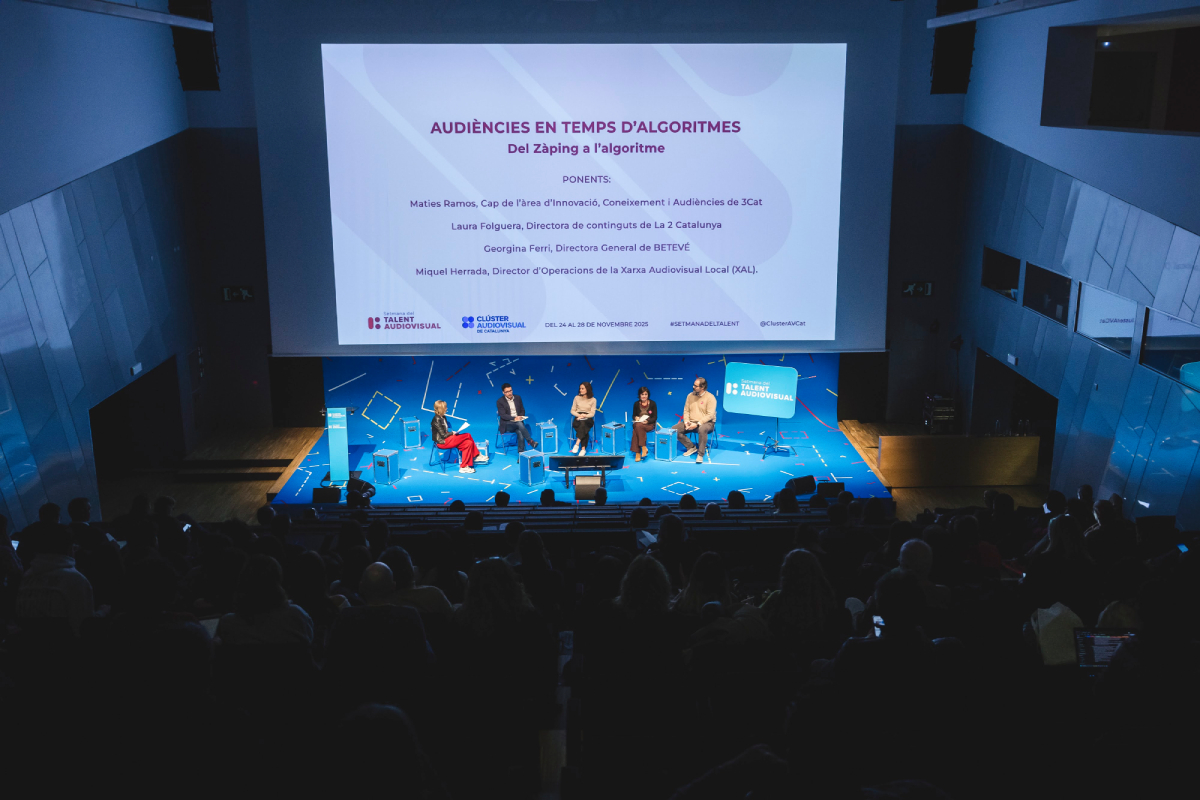
Artificial intelligence is transforming both university education and the audiovisual industry. This event provides a meeting point for academia and industry to reflect on the impact of these technologies on the education and integration into the workforce of future professionals in the sector. We will explore the opportunities and challenges posed by AI generation, as well as the connections between academia and an industry undergoing rapid change.
Presented and moderated by journalist Mariola Dinarès.
10:00 am · Conversation with Mercè Gisbert, Director of AQU Catalunya (Agency for the Quality of the University System of Catalonia)
We will speak with AQU Catalunya, the leading body responsible for promoting and assessing quality in the Catalan university system. How does AQU view the integration of AI, and how are teaching and assessment being rethought in the current context?
10:30 am · Round table: “How AI Is Changing University Education”
Together with lecturers and students, we will discuss whether AI is being integrated into the classroom and how it is being used. How do enthusiasts, critics and sceptics coexist? What challenges do lecturers face when training future professionals? And what challenges do students face in their own learning?
With Maddalena Fedele (Associate Professor at the Faculty of Information and Audiovisual Media, University of Barcelona), Frank J. Maria (Head of the Audiovisual Department at BAU), Albert Elduque (Head of Studies for the Bachelor’s Degree in Audiovisual Communication at Pompeu Fabra University), Adriana Arce (Journalism student at UIC), Adrià Pujol (student at UVic), and Adrián Ortega (student at TecnoCampus).
12:00 pm · Keynote by Elena Neira: “From the Classroom to the Industry: New Skills, New Professional Profiles and the Challenges of AI for University Education”
The emergence of generative artificial intelligence is transforming audiovisual creation and production processes, while also forcing us to rethink how we train future professionals in the sector. Beyond learning to use new tools, the major challenge for universities is to identify which skills will remain essential in an environment where an increasing number of tasks can be automated.
This keynote will explore the main trends reshaping audiovisual communication education, emerging professional profiles and the importance of preserving skills such as critical thinking, creativity and independent judgement. It will reflect on how to prepare talent for an industry in transition without confusing technological proficiency with the development of knowledge.
12:30 pm · Round table: “How the Arrival of AI Generation Is Changing the Industry”
We will explore how AI is affecting the integration of new talent into the audiovisual industry, particularly junior professionals. We will reflect on the potential generational gap in the adoption of these technologies and the emergence of new roles. What skills will professionals need today?
With Felix Balbas (Creative Executive & Studio Director at Minimo VFX), Cristina Mont (Director of Lavinia AI), Carlos Aguilar (Head of Digital Strategy at Minoria Absoluta), Ivan Garriga (Founder and Director of Pijama Studio, Co-founder and AI & VFX Workflow Engineer at Caapsai Genlab), and Montserrat Rigall (RTVE journalist specialising in AI).
Speakers’ biographies
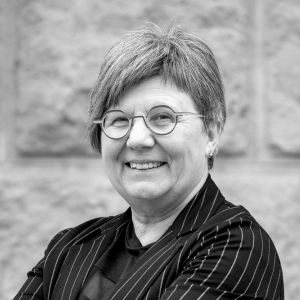
Mercè Gisbert
She holds a PhD in Education Sciences and is a Professor of Educational Technology in the Department of Pedagogy at Rovira i Virgili University (URV). She specialises in the application of technology to education across three areas: teaching, research and management. Until 2025, she was Principal Investigator of the recognised research group ARGET (Applied Research Group in Education and Technology).
She has extensive experience both within and beyond academia, having served as Vice-Dean of the Faculty of Education Sciences and Psychology, Director of the Institute of Education Sciences (ICE), and Vice-Rector for Teaching and ICT and for Teaching and the European Higher Education Area. Outside the university, she has been a member of the Catalan School Council, a member of the plenary session and secretary of CoNCA (National Council for Culture and the Arts of Catalonia), and a member of the Higher Council for the Evaluation of the Education System. She has been a member of the Board of the Catalan Society of Pedagogy (SCP-IEC) since 2022 and Director of AQU Catalunya since October 2025.

Elena Neira
She is a lecturer and expert in new models of audiovisual distribution. She holds degrees in Law and Audiovisual Communication, as well as a PhD in Humanities and Communication. The impact of streaming platforms and generative AI on the traditional audiovisual industry is one of her main research areas. She teaches in the Communication Studies programmes at UOC and UIC and has delivered numerous talks and conferences, including a TED Talk on Netflix.
She was named one of the 50 most influential women in the Spanish audiovisual business by Forbes magazine. She regularly writes for Business Insider and El Diari and is the author of several books and academic articles. Her most recent publication is Streaming Wars: la nueva televisión (Libros Cúpula).
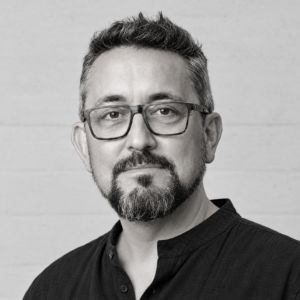
Frank J. Maria
He holds a PhD in Education and is a director, animator and audiovisual creator specialising in stop motion, with extensive experience in teaching, research and artistic practice. Since the late 1990s, he has developed his career across animation, art direction and audiovisual creation, working in television, film, advertising, festivals, exhibition spaces, immersive experiences and audiovisual projects beyond the screen.
He currently coordinates the Audiovisual Design pathway, UIDA (Audiovisual Design Research Unit) and the Master’s Degree in Stop Motion Animation at BAU University Centre of Arts and Design in Barcelona. He also directs MediAV, an audiovisual mediation space that connects creative practice, research and social awareness.
His work explores the possibilities of audiovisual processes and media to address experiences, identities and realities that often lack representation, understanding audiovisual language as a tool for listening, fostering empathy and building narratives.

Maddalena Fedele
Associate Professor at the Faculty of Information and Audiovisual Media (FIMA) and the Department of Library Science, Documentation and Audiovisual Communication at the University of Barcelona. She coordinates the Media in Transition research group, is a member of CRICC (Research Centre for Information, Communication and Culture), and participates in the teaching innovation groups InCOMAV and Gendims.
She holds a PhD in Communication Content in the Digital Age from the Autonomous University of Barcelona. She has also worked as a lecturer and researcher at Pompeu Fabra University, Blanquerna and TecnoCampus. Her main research interests include young people and the media, gender and intersectional perspectives, media narratives and representations, serial fiction and teen series.
She teaches Screenwriting Fundamentals, Audiovisual Narrative and Audiovisual Project in the Bachelor‘s Degree in Audiovisual Communication at the University of Barcelona, as well as Character Creation and Fiction Audiovisual Genres in the Master’s Degree in Audiovisual Screenwriting, which she also coordinates.

Albert Elduque
He is a tenure-track lecturer at Pompeu Fabra University. He teaches Film Studies and the Evolution of Visual Languages in the Bachelor‘s Degree in Audiovisual Communication, where he has served as Head of Studies since 2021, as well as Real Cinema in the Master’s Degree in Contemporary Film and Audiovisual Studies.
His research has focused on modern political cinema, the interaction between cinema and other arts, and star studies, particularly in Spain and Brazil.
He is currently co-principal investigator of the project "Visual Cultures around the 1929 Barcelona International Exhibition: Image, City and Modernity", funded by the Spanish Ministry of Science, Innovation and Universities.

Adriana Arce
She is a Journalism student at the International University of Catalonia (UIC), a communicator and a content creator specialising in culture. Passionate about music and everything happening in the world, she aims to explain it, particularly to her own generation. Splitting her time between Santpedor and Barcelona, she has worked with Mondo Sonoro and the communications department of FestivalB. She is currently an intern at RNE.
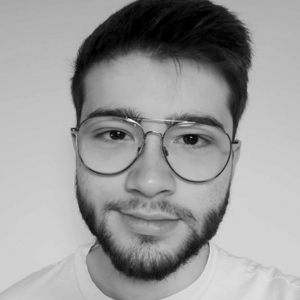
Adrià Ortega
He is studying a double degree in Computer Engineering and Information Systems and in Video Game Design and Production at TecnoCampus Mataró. He develops video games in his spare time and works as a programmer at Wheel of Games on the project Pain-T.

Cristina Mont
Director of Lavinia AI, she has more than 10 years of experience in corporate communications, business development and strategic planning. At Grup Lavinia, she has driven cross-functional and innovation projects focused on growth and organisational transformation. She currently leads the Group’s new company, Lavinia AI, which brings together its initiatives related to artificial intelligence, communication and the audiovisual sector.
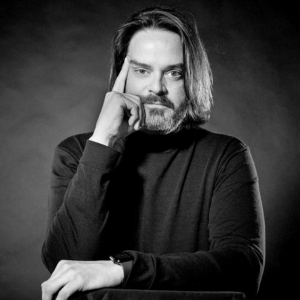
Ivan Garriga
An audiovisual director, producer and post-production specialist, he focuses on combining traditional workflows with artificial intelligence. He founded Pijama Studio in 2016, which was named European Post Production Company of the Year at the London International Awards (LIA) in October 2026. He is also co-founder of the AI audiovisual creative studio Caapsai (2025) and has worked for brands such as Nike, Apple, Netflix and Coca-Cola.
His career has earned awards at Cannes Lions (three Lions), the Clio Awards, El Sol and the Deauville Green Awards. He also teaches and directs master’s programmes at Elisava, ESCAC, LABASAD and UVic-UCC.
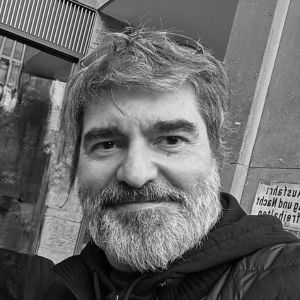
Felix Balbas
A creative professional and visual effects (VFX) director with 30 years of international experience, he has led award-winning teams for global studios such as Disney, Warner Bros. and DreamWorks. He is the founder and CEO of Minimo VFX, a leading specialist studio focused on creating high-end characters and creatures for film, animation and digital media.
He is recognised for developing innovative ecosystems that connect education, creativity and technology through initiatives such as BrooderLab, the Bachelor‘s Degree in Animation and VFX at La Salle University, and the international b’Ars International VFX Fair. He combines in-depth technical knowledge with strategic leadership and a people-centred approach to talent and innovation.
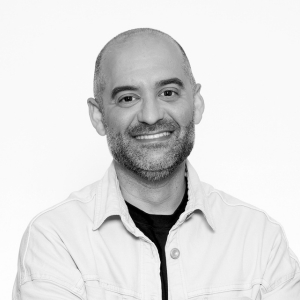
Carlos Aguilar
He is Head of Digital Content at Minoria Absoluta. He coordinates and leads the digital teams behind the company’s various programmes and productions and has taken on the executive direction of podcasts and social-first formats. He is also part of the team at Sorensen, a company that develops artificial intelligence solutions for audiovisual media, culture, art and education.
Conversation with Talent · Joana and Mireia Vilapuig
Thursday, 26 November
7:00–8:30 pm
Auditorium, Disseny Hub Barcelona (Plaça de les Glòries Catalanes, 38)
Free admission with prior registration
Session in Catalan
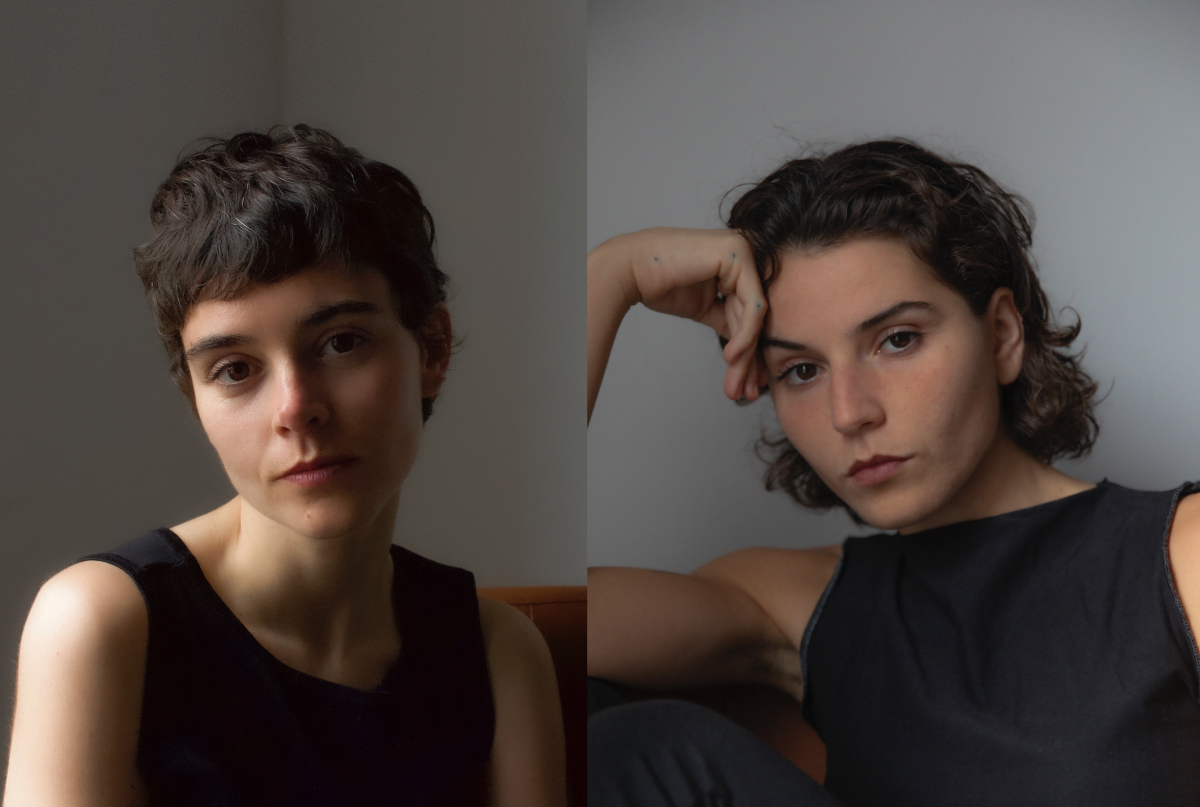
Actresses, screenwriters and creators Joana and Mireia Vilapuig will share their careers and experiences of building stories at the intersection of writing and acting. We will reflect on the role of emerging talent in the audiovisual sector, the opportunities to establish a career, and the importance of maintaining an individual creative voice while navigating the challenges of the industry.
Both sisters began their careers at a very young age, rising to fame with Polseres vermelles and Herois. Joana made her debut as a creator in the 2019 film El sitio de Otto, directed by Oriol Puig, in which she also acted. Mireia directed her first short film, La desesperació de la pell, in 2024. Produced by Nanouk Films, it was selected for IDFA, Dei Popoli, ZINEBI, FIDBA and VSFF.
In 2023, they premiered the series Selftape, directed by Bàrbara Farré and produced by Filmax and Filmin, in which they worked together as screenwriters, executive producers and lead actresses. The series was nominated for Best Drama Series at the 2024 Feroz Awards.
They are currently developing Callback, their second series as co-creators. Produced by Funicular Films and Left Tackle Films, the project was selected for the 2026 Berlinale European Film Market.
Moderated by Laia Aubia, Director of the Catalan Film Academy.
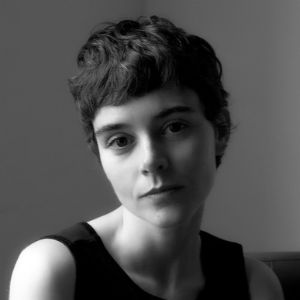
Joana Vilapuig
She is a Catalan actress, creator and screenwriter based in Barcelona. Her first project as a creator was the 2019 film El sitio de Otto, directed by Oriol Puig, in which she also appeared as an actress. In 2023, she premiered the series Selftape, directed by Bàrbara Farré and produced by Filmax and Filmin, in which she worked as a screenwriter, executive producer and lead actress alongside her sister Mireia Vilapuig.
The series was nominated for Best Drama Series at the 2024 Feroz Awards. She is currently developing Callback, the second series she is co-creating with her sister, produced by Funicular Films and Left Tackle Films and selected for the 2026 Berlinale European Film Market.

Mireia Vilapuig
She is a Catalan actress, screenwriter, creator and visual artist based in Barcelona.
She made her film debut at the age of eleven and has since taken part in numerous national and international projects. In 2023, she premiered the series Selftape, directed by Bàrbara Farré and produced by Filmax and Filmin, in which she worked as a screenwriter, executive producer and lead actress alongside her sister Joana Vilapuig. The series was nominated for Best Drama Series at the 2024 Feroz Awards.
That same year, she directed her first short film, La desesperació de la pell, produced by Nanouk Films. The film was selected for IDFA, Dei Popoli, ZINEBI, FIDBA and VSFF. It received the award for Best Short Film in the Ibero-American section at FIDBA, the Guillón d’Or Award for Best Short Film at the Aguilar Film Festival, and the VSFF Grand Prize.
She is currently developing Callback, her second series, co-created with her sister and produced by Funicular Films and Left Tackle Films. The project was selected for the 2026 Berlinale European Film Market.

Laia Aubia
She worked as a researcher and lecturer at Pompeu Fabra University (UPF) and was involved in the creation of the Audiovisual Production Observatory (OPA). In 2007, she coordinated the Barcelona-Catalonia Film Commission, and in 2010 she became Head of Distribution at the DocsBarcelona Festival.
Since 2018, she has been Director of the Catalan Film Academy, which organises initiatives such as the Gaudí Awards and the Pepón Coromina Award. In this role, she coordinates the preliminary selection processes and the associated training and networking activities.

Meet the Experts · Cinematography
Wednesday, 25 November
6:30–7:45 pm
Foyer Room, Disseny Hub Barcelona (Plaça de les Glòries Catalanes, 38)
Free admission with prior registration
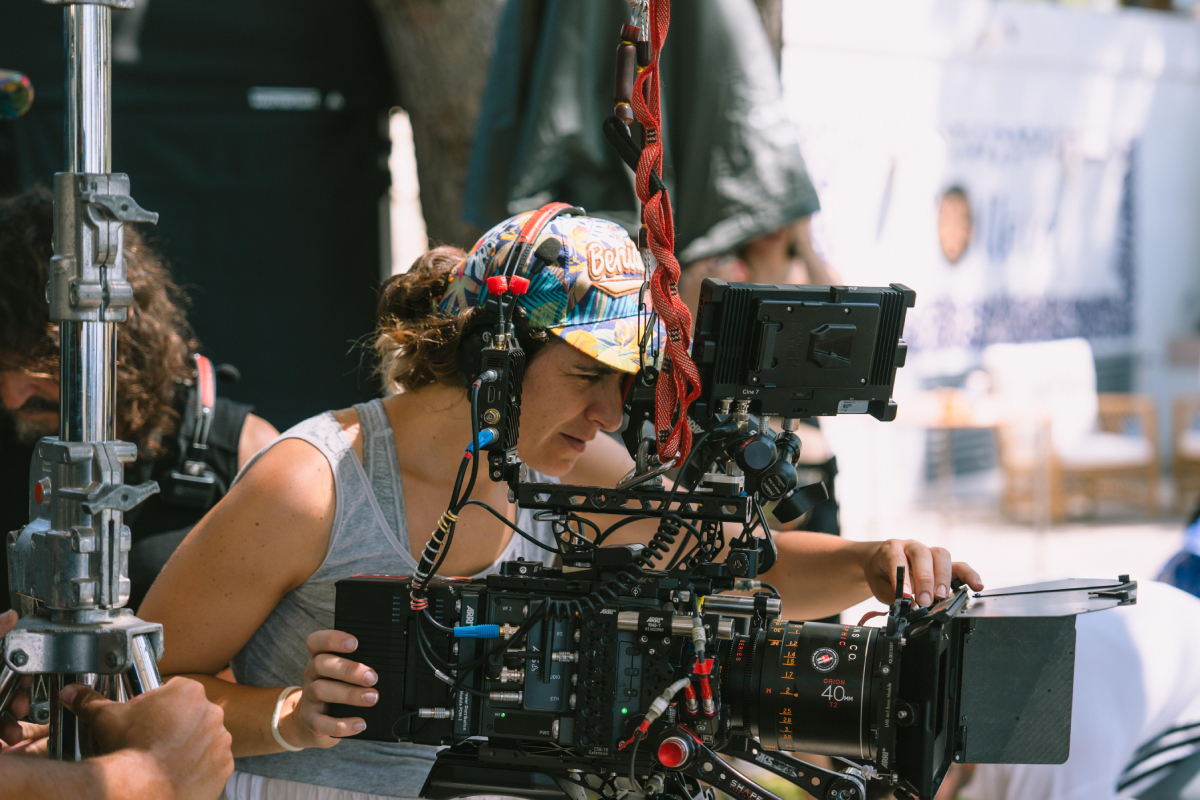
Photography by Laia Bosch.
A meeting point to gain an in-depth understanding of different audiovisual professions through conversations with women experts, who share insights into their day-to-day work with the audience.
This year, the focus is on cinematography, featuring Elisabet Prandi, Lara Vilanova, Núria Roldós, Sandra Formatger and Maria Codina.
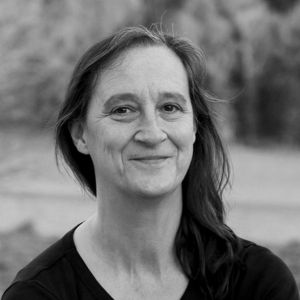
Elisabet Prandi
She studied photography at the Institute of Photographic Studies of Catalonia (IEFC) and specialised in cinematography at La Fémis in Paris. As a director, she has made documentaries for various television programmes. Alongside this work, she develops her own documentaries, video dance projects and visual creations, which have been featured on national and international television and at festivals. In 2015, FLUX, Barcelona’s Festival of Video Art, dedicated a retrospective to her work.
Since 1992, she has worked as a cinematographer on short films, documentaries and feature films by directors including Romà Guardiet, Marta Balletbò-Coll, Joan Marimon, Mathilde Mignon and Pere Portabella. In the performing arts, she has designed the lighting for MDSound, by Fabienne Mésenge; La criatura del Dr. Frankenstein, by José Sanchis Sinisterra; and Nit de difunts, by Montecarlo.
She combines her creative work with teaching, giving seminars on lighting and cinematographic techniques at schools and universities in Spain and France. She is a member of Dones Visuals, CIMA, EWA (European Women’s Audiovisual Network) and the Catalan Film Academy. She is a co-founder of the Directores de Fotografía platform and sits on the board of the AEC, the Spanish Association of Cinematographers.

Lara Vilanova
She is a cinematographer specialising in fiction feature films and creative documentaries for cinema and television, both nationally and internationally. She graduated in Film and Audiovisual Studies from ESCAC and holds a degree in Cinematography from the University of Barcelona. She is currently a member of the AEC, the Spanish Film Academy, the Catalan Film Academy, CIMA, EWA and the Barcelona Association of Journalists.
She is best known for her work on the documentary Trinta Lumes, for which she won the Best Cinematography Award at Cinespaña 2018 and received international nominations at the Fénix Awards and Camerimage. The documentary El retorno: la vida después de ISIS was nominated for the Goya and Emmy Awards. Her fiction work includes the feature film Sinjar, produced by Kaboga Films and premiered at the 2022 Málaga Film Festival, and Les vacants de Mara, Elena Escura’s debut feature, which received an award at the Berlanga Awards.
Her most recent advertising project was an international campaign for Kia featuring Rafael Nadal. As a colourist, she usually completes her own projects, bringing the image-making process full circle through her own creative vision. She currently teaches at Pompeu Fabra University, the University of Barcelona, UAO and ESCAC. She also collaborates with the International University of Andalusia, CIMA, Hemen and Dones Visuals.
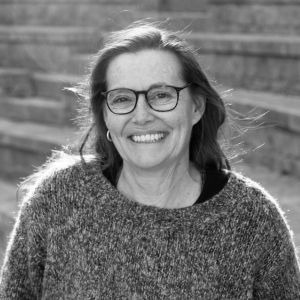
Núria Roldós
She began her career as part of a camera crew and went on to become a cinematographer. In 1993, she became the first woman in Spain to be credited as cinematographer on a feature film. Years later, she moved to Ireland, where she began working in documentary filmmaking. She currently works in both fiction and documentary. She has more than 35 years of experience in the film industry, including 20 years behind the camera, framing and lighting shots while helping bring directors’ visions to life.
Working on set and the determination to overcome any obstacle have been her greatest teachers. Her philosophy could be summed up as: "less is more". She is currently President of the AEC, the Spanish Association of Cinematographers, and is also a member of the Directoras de Fotografía collective and Dones Visuals.
Her selected credits include:
- The Return: Life After ISIS, winner of the 2022 Gaudí Award for Best Documentary.
- El Gusto, winner of Best Director at the 2011 Abu Dhabi Film Festival.
- Ruta Salvatge, directed by Marc Recha.
- Vivir Dos Veces, directed by Maria Ripoll and nominated for Best Cinematography by the Valencian Film Academy.
- El Viatge Vertical, directed by Ona Planas.
- Peacefire, directed by Macdara Valelly and winner of Best Film at the Galway Film Festival.
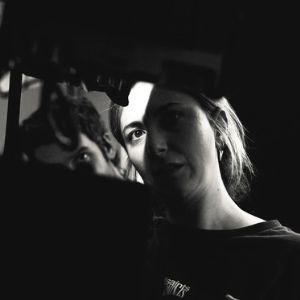
Sandra Formatger
She is a cinematographer whose career spans Spain, the United States and Mexico. She graduated from ESCAC in 2014 and is an active member of the AEC (Spanish Association of Cinematographers), the ICFC (International Collective of Female Cinematographers) and the Directores de Fotografía association. In 2024, she took part in the mentoring programme of the ASC (American Society of Cinematographers).
She was the cinematographer for Victor XX, directed by Ian Garrido, which received the Third Prize at La Cinéfondation during the 68th edition of the Cannes Film Festival.
Her work has been screened at festivals including AFI Fest, Asiana International Film Festival, Gijón International Film Festival, Hamptons International Film Festival, SXSW, Miami Film Festival, Palm Springs International Film Festival and San Diego Comic-Con Film Festival. Her career encompasses advertising, music videos, documentaries and fiction.
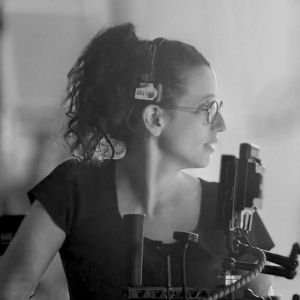
Maria Codina
She trained at ESCAC and worked in advertising for many years, alongside various documentaries and artistic projects. She has served as cinematographer on feature films such as Cola, Colita, Colassa, by Ventura Pons, and L’Escanyapobres, by Ibai Abad.
This year, she has released three films: Gràcias equipo, a Netflix original comedy directed by Diego Nuñez Irigoyen; Pioneras: solo querían jugar, by Marta Díaz de Lope Díaz, which won the Audience Award in Málaga; and El Director, a film by Dani de la Orden scheduled for a cinema release this November.
In the streaming sector, she has worked on series with a strong visual identity, such as La vida breve for Movistar. She has also been the cinematographer for series including Días Mejores for Amazon Prime and A Muerte for Apple TV+. She is currently shooting the Movistar+ series Ceremonia.

CONFERENCES & SESSIONS
AI Generation: From University to the Audiovisual Industry
Thursday, 26 November
10:00 am–1:30 pm
Auditorium, Disseny Hub Barcelona (Plaça de les Glòries Catalanes, 38)
Free admission with prior registration
The event will feature two keynote talks and two round-table discussions
Session in Catalan
Artificial intelligence is transforming both university education and the audiovisual industry. This event provides a meeting point for academia and industry to reflect on the impact of these technologies on the education and integration into the workforce of future professionals in the sector. We will explore the opportunities and challenges posed by AI generation, as well as the connections between academia and an industry undergoing rapid change.
Presented and moderated by journalist Mariola Dinarès.
10:00 am · Conversation with Mercè Gisbert, Director of AQU Catalunya (Agency for the Quality of the University System of Catalonia)
We will speak with AQU Catalunya, the leading body responsible for promoting and assessing quality in the Catalan university system. How does AQU view the integration of AI, and how are teaching and assessment being rethought in the current context?
10:30 am · Round table: “How AI Is Changing University Education”
Together with lecturers and students, we will discuss whether AI is being integrated into the classroom and how it is being used. How do enthusiasts, critics and sceptics coexist? What challenges do lecturers face when training future professionals? And what challenges do students face in their own learning?
With Maddalena Fedele (Associate Professor at the Faculty of Information and Audiovisual Media, University of Barcelona), Frank J. Maria (Head of the Audiovisual Department at BAU), Albert Elduque (Head of Studies for the Bachelor’s Degree in Audiovisual Communication at Pompeu Fabra University), Adriana Arce (Journalism student at UIC), Adrià Pujol (student at UVic), and Adrián Ortega (student at TecnoCampus).
12:00 pm · Keynote by Elena Neira: “From the Classroom to the Industry: New Skills, New Professional Profiles and the Challenges of AI for University Education”
The emergence of generative artificial intelligence is transforming audiovisual creation and production processes, while also forcing us to rethink how we train future professionals in the sector. Beyond learning to use new tools, the major challenge for universities is to identify which skills will remain essential in an environment where an increasing number of tasks can be automated.
This keynote will explore the main trends reshaping audiovisual communication education, emerging professional profiles and the importance of preserving skills such as critical thinking, creativity and independent judgement. It will reflect on how to prepare talent for an industry in transition without confusing technological proficiency with the development of knowledge.
12:30 pm · Round table: “How the Arrival of AI Generation Is Changing the Industry”
We will explore how AI is affecting the integration of new talent into the audiovisual industry, particularly junior professionals. We will reflect on the potential generational gap in the adoption of these technologies and the emergence of new roles. What skills will professionals need today?
With Felix Balbas (Creative Executive & Studio Director at Minimo VFX), Cristina Mont (Director of Lavinia AI), Carlos Aguilar (Head of Digital Strategy at Minoria Absoluta), Ivan Garriga (Founder and Director of Pijama Studio, Co-founder and AI & VFX Workflow Engineer at Caapsai Genlab), and Montserrat Rigall (RTVE journalist specialising in AI).
Speakers’ biographies
Mercè Gisbert
She holds a PhD in Education Sciences and is a Professor of Educational Technology in the Department of Pedagogy at Rovira i Virgili University (URV). She specialises in the application of technology to education across three areas: teaching, research and management. Until 2025, she was Principal Investigator of the recognised research group ARGET (Applied Research Group in Education and Technology).
She has extensive experience both within and beyond academia, having served as Vice-Dean of the Faculty of Education Sciences and Psychology, Director of the Institute of Education Sciences (ICE), and Vice-Rector for Teaching and ICT and for Teaching and the European Higher Education Area. Outside the university, she has been a member of the Catalan School Council, a member of the plenary session and secretary of CoNCA (National Council for Culture and the Arts of Catalonia), and a member of the Higher Council for the Evaluation of the Education System. She has been a member of the Board of the Catalan Society of Pedagogy (SCP-IEC) since 2022 and Director of AQU Catalunya since October 2025.
Elena Neira
She is a lecturer and expert in new models of audiovisual distribution. She holds degrees in Law and Audiovisual Communication, as well as a PhD in Humanities and Communication. The impact of streaming platforms and generative AI on the traditional audiovisual industry is one of her main research areas. She teaches in the Communication Studies programmes at UOC and UIC and has delivered numerous talks and conferences, including a TED Talk on Netflix.
She was named one of the 50 most influential women in the Spanish audiovisual business by Forbes magazine. She regularly writes for Business Insider and El Diari and is the author of several books and academic articles. Her most recent publication is Streaming Wars: la nueva televisión (Libros Cúpula).
Frank J. Maria
He holds a PhD in Education and is a director, animator and audiovisual creator specialising in stop motion, with extensive experience in teaching, research and artistic practice. Since the late 1990s, he has developed his career across animation, art direction and audiovisual creation, working in television, film, advertising, festivals, exhibition spaces, immersive experiences and audiovisual projects beyond the screen.
He currently coordinates the Audiovisual Design pathway, UIDA (Audiovisual Design Research Unit) and the Master’s Degree in Stop Motion Animation at BAU University Centre of Arts and Design in Barcelona. He also directs MediAV, an audiovisual mediation space that connects creative practice, research and social awareness.
His work explores the possibilities of audiovisual processes and media to address experiences, identities and realities that often lack representation, understanding audiovisual language as a tool for listening, fostering empathy and building narratives.
Maddalena Fedele
Associate Professor at the Faculty of Information and Audiovisual Media (FIMA) and the Department of Library Science, Documentation and Audiovisual Communication at the University of Barcelona. She coordinates the Media in Transition research group, is a member of CRICC (Research Centre for Information, Communication and Culture), and participates in the teaching innovation groups InCOMAV and Gendims.
She holds a PhD in Communication Content in the Digital Age from the Autonomous University of Barcelona. She has also worked as a lecturer and researcher at Pompeu Fabra University, Blanquerna and TecnoCampus. Her main research interests include young people and the media, gender and intersectional perspectives, media narratives and representations, serial fiction and teen series.
She teaches Screenwriting Fundamentals, Audiovisual Narrative and Audiovisual Project in the Bachelor‘s Degree in Audiovisual Communication at the University of Barcelona, as well as Character Creation and Fiction Audiovisual Genres in the Master’s Degree in Audiovisual Screenwriting, which she also coordinates.
Albert Elduque
He is a tenure-track lecturer at Pompeu Fabra University. He teaches Film Studies and the Evolution of Visual Languages in the Bachelor‘s Degree in Audiovisual Communication, where he has served as Head of Studies since 2021, as well as Real Cinema in the Master’s Degree in Contemporary Film and Audiovisual Studies.
His research has focused on modern political cinema, the interaction between cinema and other arts, and star studies, particularly in Spain and Brazil.
He is currently co-principal investigator of the project "Visual Cultures around the 1929 Barcelona International Exhibition: Image, City and Modernity", funded by the Spanish Ministry of Science, Innovation and Universities.
Adriana Arce
She is a Journalism student at the International University of Catalonia (UIC), a communicator and a content creator specialising in culture. Passionate about music and everything happening in the world, she aims to explain it, particularly to her own generation. Splitting her time between Santpedor and Barcelona, she has worked with Mondo Sonoro and the communications department of FestivalB. She is currently an intern at RNE.
Adrià Ortega
He is studying a double degree in Computer Engineering and Information Systems and in Video Game Design and Production at TecnoCampus Mataró. He develops video games in his spare time and works as a programmer at Wheel of Games on the project Pain-T.
Cristina Mont
Director of Lavinia AI, she has more than 10 years of experience in corporate communications, business development and strategic planning. At Grup Lavinia, she has driven cross-functional and innovation projects focused on growth and organisational transformation. She currently leads the Group’s new company, Lavinia AI, which brings together its initiatives related to artificial intelligence, communication and the audiovisual sector.
Ivan Garriga
An audiovisual director, producer and post-production specialist, he focuses on combining traditional workflows with artificial intelligence. He founded Pijama Studio in 2016, which was named European Post Production Company of the Year at the London International Awards (LIA) in October 2026. He is also co-founder of the AI audiovisual creative studio Caapsai (2025) and has worked for brands such as Nike, Apple, Netflix and Coca-Cola.
His career has earned awards at Cannes Lions (three Lions), the Clio Awards, El Sol and the Deauville Green Awards. He also teaches and directs master’s programmes at Elisava, ESCAC, LABASAD and UVic-UCC.
Felix Balbas
A creative professional and visual effects (VFX) director with 30 years of international experience, he has led award-winning teams for global studios such as Disney, Warner Bros. and DreamWorks. He is the founder and CEO of Minimo VFX, a leading specialist studio focused on creating high-end characters and creatures for film, animation and digital media.
He is recognised for developing innovative ecosystems that connect education, creativity and technology through initiatives such as BrooderLab, the Bachelor‘s Degree in Animation and VFX at La Salle University, and the international b’Ars International VFX Fair. He combines in-depth technical knowledge with strategic leadership and a people-centred approach to talent and innovation.
Carlos Aguilar
He is Head of Digital Content at Minoria Absoluta. He coordinates and leads the digital teams behind the company’s various programmes and productions and has taken on the executive direction of podcasts and social-first formats. He is also part of the team at Sorensen, a company that develops artificial intelligence solutions for audiovisual media, culture, art and education.
Conversation with Talent · Joana and Mireia Vilapuig
Thursday, 26 November
7:00–8:30 pm
Auditorium, Disseny Hub Barcelona (Plaça de les Glòries Catalanes, 38)
Free admission with prior registration
Session in Catalan
Actresses, screenwriters and creators Joana and Mireia Vilapuig will share their careers and experiences of building stories at the intersection of writing and acting. We will reflect on the role of emerging talent in the audiovisual sector, the opportunities to establish a career, and the importance of maintaining an individual creative voice while navigating the challenges of the industry.
Both sisters began their careers at a very young age, rising to fame with Polseres vermelles and Herois. Joana made her debut as a creator in the 2019 film El sitio de Otto, directed by Oriol Puig, in which she also acted. Mireia directed her first short film, La desesperació de la pell, in 2024. Produced by Nanouk Films, it was selected for IDFA, Dei Popoli, ZINEBI, FIDBA and VSFF.
In 2023, they premiered the series Selftape, directed by Bàrbara Farré and produced by Filmax and Filmin, in which they worked together as screenwriters, executive producers and lead actresses. The series was nominated for Best Drama Series at the 2024 Feroz Awards.
They are currently developing Callback, their second series as co-creators. Produced by Funicular Films and Left Tackle Films, the project was selected for the 2026 Berlinale European Film Market.
Moderated by Laia Aubia, Director of the Catalan Film Academy.
Joana Vilapuig
She is a Catalan actress, creator and screenwriter based in Barcelona. Her first project as a creator was the 2019 film El sitio de Otto, directed by Oriol Puig, in which she also appeared as an actress. In 2023, she premiered the series Selftape, directed by Bàrbara Farré and produced by Filmax and Filmin, in which she worked as a screenwriter, executive producer and lead actress alongside her sister Mireia Vilapuig.
The series was nominated for Best Drama Series at the 2024 Feroz Awards. She is currently developing Callback, the second series she is co-creating with her sister, produced by Funicular Films and Left Tackle Films and selected for the 2026 Berlinale European Film Market.
Mireia Vilapuig
She is a Catalan actress, screenwriter, creator and visual artist based in Barcelona.
She made her film debut at the age of eleven and has since taken part in numerous national and international projects. In 2023, she premiered the series Selftape, directed by Bàrbara Farré and produced by Filmax and Filmin, in which she worked as a screenwriter, executive producer and lead actress alongside her sister Joana Vilapuig. The series was nominated for Best Drama Series at the 2024 Feroz Awards.
That same year, she directed her first short film, La desesperació de la pell, produced by Nanouk Films. The film was selected for IDFA, Dei Popoli, ZINEBI, FIDBA and VSFF. It received the award for Best Short Film in the Ibero-American section at FIDBA, the Guillón d’Or Award for Best Short Film at the Aguilar Film Festival, and the VSFF Grand Prize.
She is currently developing Callback, her second series, co-created with her sister and produced by Funicular Films and Left Tackle Films. The project was selected for the 2026 Berlinale European Film Market.
Laia Aubia
She worked as a researcher and lecturer at Pompeu Fabra University (UPF) and was involved in the creation of the Audiovisual Production Observatory (OPA). In 2007, she coordinated the Barcelona-Catalonia Film Commission, and in 2010 she became Head of Distribution at the DocsBarcelona Festival.
Since 2018, she has been Director of the Catalan Film Academy, which organises initiatives such as the Gaudí Awards and the Pepón Coromina Award. In this role, she coordinates the preliminary selection processes and the associated training and networking activities.
Meet the Experts · Cinematography
Wednesday, 25 November
6:30–7:45 pm
Foyer Room, Disseny Hub Barcelona (Plaça de les Glòries Catalanes, 38)
Free admission with prior registration
Photography by Laia Bosch.
A meeting point to gain an in-depth understanding of different audiovisual professions through conversations with women experts, who share insights into their day-to-day work with the audience.
This year, the focus is on cinematography, featuring Elisabet Prandi, Lara Vilanova, Núria Roldós, Sandra Formatger and Maria Codina.
Elisabet Prandi
She studied photography at the Institute of Photographic Studies of Catalonia (IEFC) and specialised in cinematography at La Fémis in Paris. As a director, she has made documentaries for various television programmes. Alongside this work, she develops her own documentaries, video dance projects and visual creations, which have been featured on national and international television and at festivals. In 2015, FLUX, Barcelona’s Festival of Video Art, dedicated a retrospective to her work.
Since 1992, she has worked as a cinematographer on short films, documentaries and feature films by directors including Romà Guardiet, Marta Balletbò-Coll, Joan Marimon, Mathilde Mignon and Pere Portabella. In the performing arts, she has designed the lighting for MDSound, by Fabienne Mésenge; La criatura del Dr. Frankenstein, by José Sanchis Sinisterra; and Nit de difunts, by Montecarlo.
She combines her creative work with teaching, giving seminars on lighting and cinematographic techniques at schools and universities in Spain and France. She is a member of Dones Visuals, CIMA, EWA (European Women’s Audiovisual Network) and the Catalan Film Academy. She is a co-founder of the Directores de Fotografía platform and sits on the board of the AEC, the Spanish Association of Cinematographers.
Lara Vilanova
She is a cinematographer specialising in fiction feature films and creative documentaries for cinema and television, both nationally and internationally. She graduated in Film and Audiovisual Studies from ESCAC and holds a degree in Cinematography from the University of Barcelona. She is currently a member of the AEC, the Spanish Film Academy, the Catalan Film Academy, CIMA, EWA and the Barcelona Association of Journalists.
She is best known for her work on the documentary Trinta Lumes, for which she won the Best Cinematography Award at Cinespaña 2018 and received international nominations at the Fénix Awards and Camerimage. The documentary El retorno: la vida después de ISIS was nominated for the Goya and Emmy Awards. Her fiction work includes the feature film Sinjar, produced by Kaboga Films and premiered at the 2022 Málaga Film Festival, and Les vacants de Mara, Elena Escura’s debut feature, which received an award at the Berlanga Awards.
Her most recent advertising project was an international campaign for Kia featuring Rafael Nadal. As a colourist, she usually completes her own projects, bringing the image-making process full circle through her own creative vision. She currently teaches at Pompeu Fabra University, the University of Barcelona, UAO and ESCAC. She also collaborates with the International University of Andalusia, CIMA, Hemen and Dones Visuals.
Núria Roldós
She began her career as part of a camera crew and went on to become a cinematographer. In 1993, she became the first woman in Spain to be credited as cinematographer on a feature film. Years later, she moved to Ireland, where she began working in documentary filmmaking. She currently works in both fiction and documentary. She has more than 35 years of experience in the film industry, including 20 years behind the camera, framing and lighting shots while helping bring directors’ visions to life.
Working on set and the determination to overcome any obstacle have been her greatest teachers. Her philosophy could be summed up as: "less is more". She is currently President of the AEC, the Spanish Association of Cinematographers, and is also a member of the Directoras de Fotografía collective and Dones Visuals.
Her selected credits include:
- The Return: Life After ISIS, winner of the 2022 Gaudí Award for Best Documentary.
- El Gusto, winner of Best Director at the 2011 Abu Dhabi Film Festival.
- Ruta Salvatge, directed by Marc Recha.
- Vivir Dos Veces, directed by Maria Ripoll and nominated for Best Cinematography by the Valencian Film Academy.
- El Viatge Vertical, directed by Ona Planas.
- Peacefire, directed by Macdara Valelly and winner of Best Film at the Galway Film Festival.
Sandra Formatger
She is a cinematographer whose career spans Spain, the United States and Mexico. She graduated from ESCAC in 2014 and is an active member of the AEC (Spanish Association of Cinematographers), the ICFC (International Collective of Female Cinematographers) and the Directores de Fotografía association. In 2024, she took part in the mentoring programme of the ASC (American Society of Cinematographers).
She was the cinematographer for Victor XX, directed by Ian Garrido, which received the Third Prize at La Cinéfondation during the 68th edition of the Cannes Film Festival.
Her work has been screened at festivals including AFI Fest, Asiana International Film Festival, Gijón International Film Festival, Hamptons International Film Festival, SXSW, Miami Film Festival, Palm Springs International Film Festival and San Diego Comic-Con Film Festival. Her career encompasses advertising, music videos, documentaries and fiction.
Maria Codina
She trained at ESCAC and worked in advertising for many years, alongside various documentaries and artistic projects. She has served as cinematographer on feature films such as Cola, Colita, Colassa, by Ventura Pons, and L’Escanyapobres, by Ibai Abad.
This year, she has released three films: Gràcias equipo, a Netflix original comedy directed by Diego Nuñez Irigoyen; Pioneras: solo querían jugar, by Marta Díaz de Lope Díaz, which won the Audience Award in Málaga; and El Director, a film by Dani de la Orden scheduled for a cinema release this November.
In the streaming sector, she has worked on series with a strong visual identity, such as La vida breve for Movistar. She has also been the cinematographer for series including Días Mejores for Amazon Prime and A Muerte for Apple TV+. She is currently shooting the Movistar+ series Ceremonia.


© 2020 Clúster Audiovisual de Catalunya
Developed by La Saladeta