Eastern Europe: opportunities for the audio-visual market

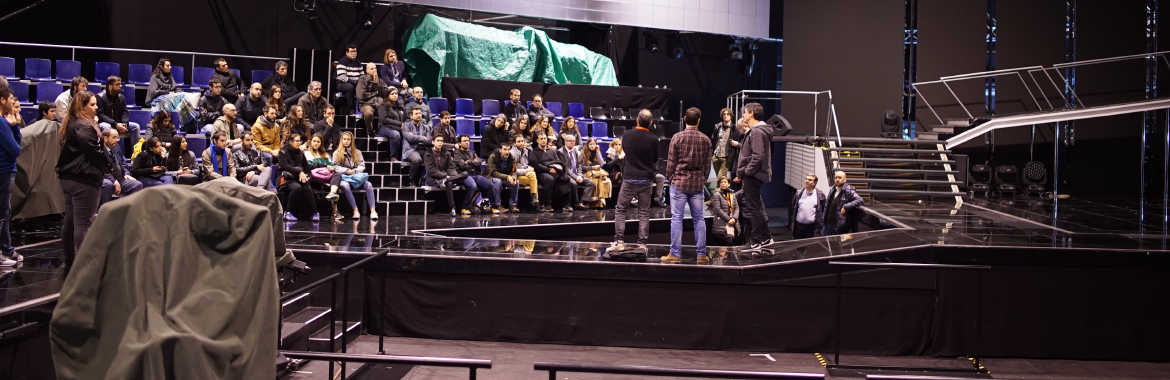
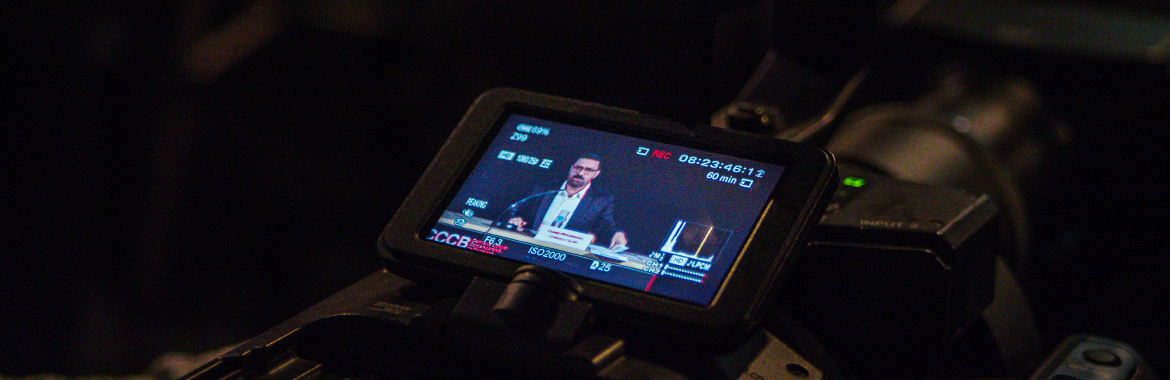
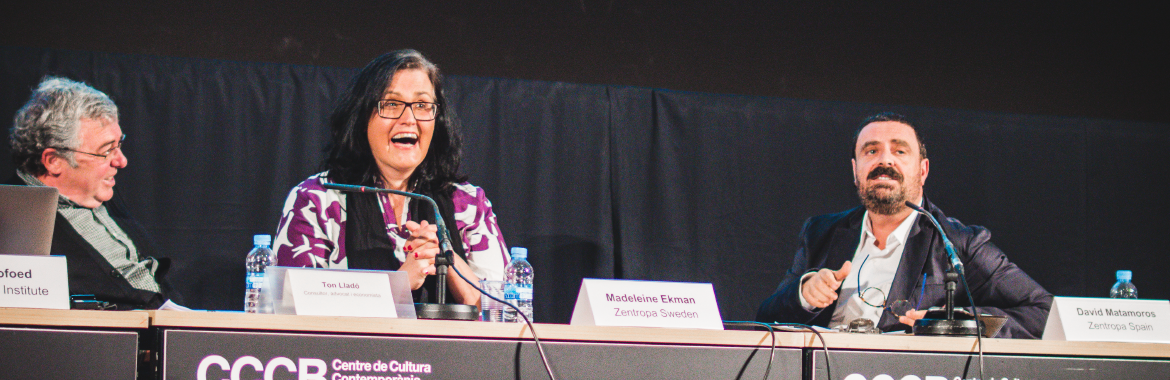
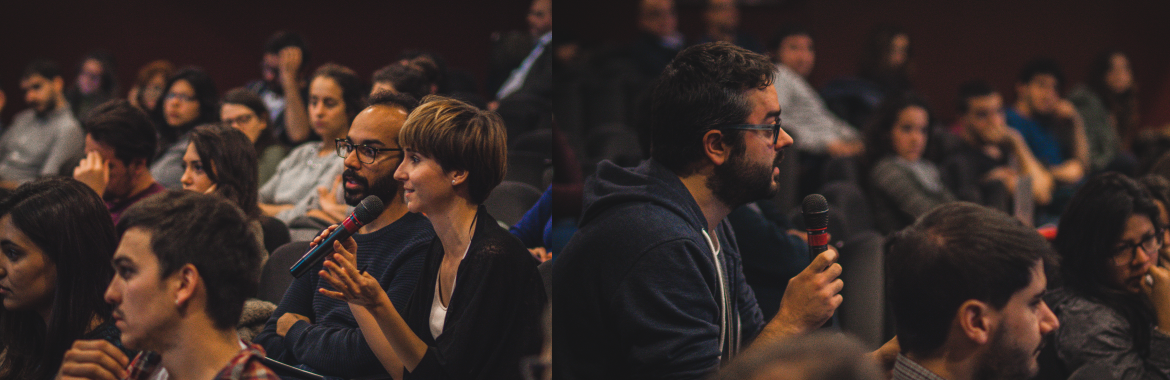
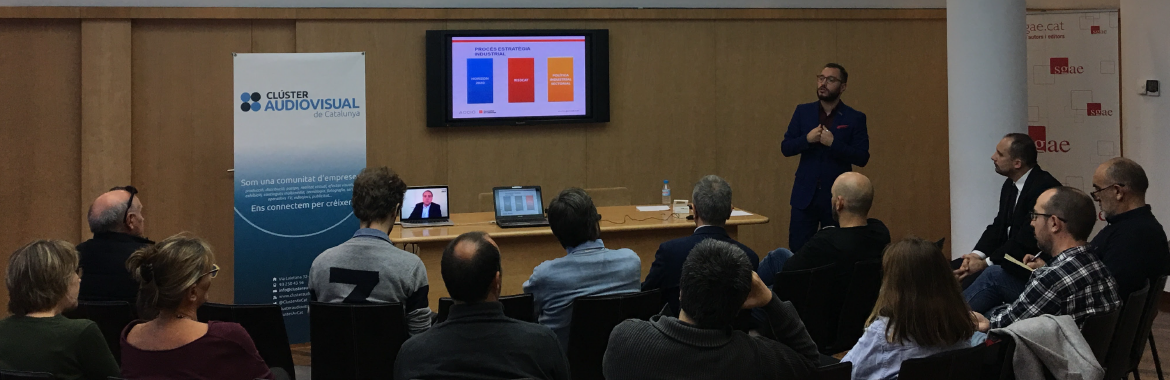
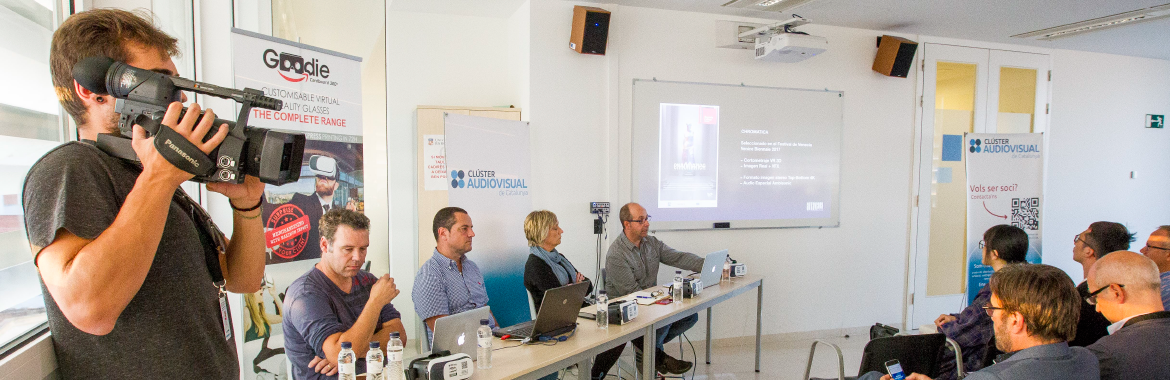
The countries of Eastern Europe offer a good opportunity for growth in the audio-visual sector and for Catalan companies that wish to open markets. This was the main conclusion drawn from the work day for partners only, which the Cluster organised together with ACCIÓ.

europa-est-banerweb-02-01

ZOOM Brands 2017. Brands and the new media [video streaming]

Targets transforming into audience; technological platforms becoming televisions; brand value transforming into content… It is not news that brands explore new formulas to promote their products, including advertising on TV, on the internet or social networks, as well as new formats such as branded content and virtual reality.

However, brands are beginning to explore a new strategy: the creation of their own audio-visual media. TV channels, applications and online platforms with their own content are the trends in brand communication. This is a new model that opens up new avenues in the relationship between the audio-visual sector, agencies and brands. Zoom Brands 2017 analysed the new strategies and success stories with the participation of companies including Lavinia Next (Ideas & Solution Factory at Lavinia Group), ‘La Caixa’ Foundation and Agència &Rosàs (with the ALMA project), ZOOPA Creative Studio and Nestlé TV.

The Cluster takes part in the conference organised by ‘Distretto Produttivo Puglia Creativa’

The Audio-visual Cluster participated in the meeting of managers of European cultural and creative industries held in Bari (Italy) on 30th and 31st October. Organised by the Italian company Distretto Produttivo Puglia Creativa, the conference was part of the “ChIMERA – Innovative Cultural & Creative Clusters in the Mediterranean Area” project, a programme created for the networking of clusters and institutions in the creative and cultural sectors.

Virtual reality and short film

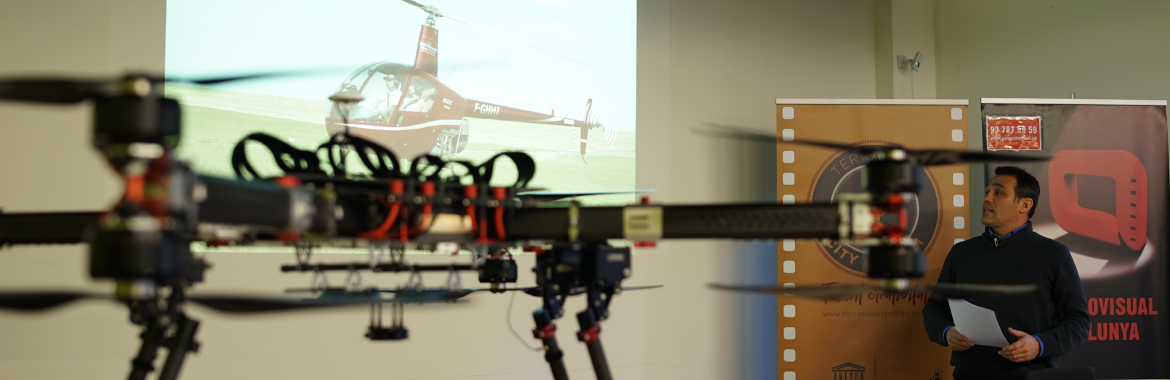
The leading company in the field of virtual reality, (VR) VISYON, the leader in post-production, Antaviana Films, and the distribution company of VR glasses, Goodie Cardboard 360, met at FILMETS Badalona Film Festival in a session organised by the Cluster and  Badalona Comunicació to discuss the relationship between emerging VR technology and short film formats.

carrussel_filmets03-01

carrussel_filmets02-01

The Cluster participates in the international conference CHIMERA, in Slovenia

Invited by the Chamber of Commerce of Terrassa, the Audio-visual Cluster travelled to Ljubljana (Slovenia) to take part in the international conference “CHIMERA – Innovative Cultural & Creative Clusters in the Mediterranean Area” (3rd to 5th October).

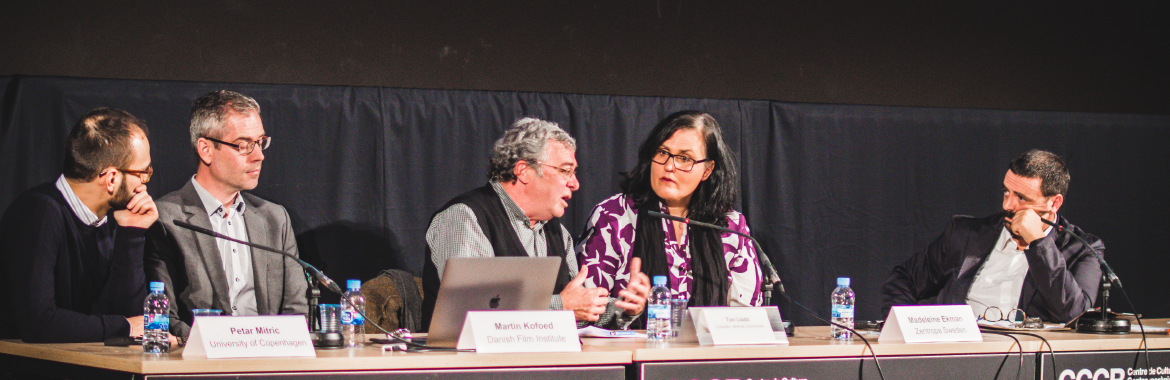
The conference brought together clusters and institutions relating to cultural and creative industries in Europe, and was an opportunity to network with a nearby and emerging market like Eastern Europe.

The Cluster presented the Catalan audio-visual sector and participated in the discussion panels on cultural and creative industries in Europe.

The Cluster Promotes the Video Game Industry

The Cluster will promote the video game industry with a plan that focuses on talent and aims to strengthen the competitiveness of companies.

The initiative comes out of several meetings recently held with creators and representatives of the video game sector, a sector that has emerged with a strong rate of growth in Catalonia over the last few years.

In one year (from 2014 to 2015), the video game sector grew 41%, and by 2015 it was comprised of 120 companies (24.8% of the national total for Spain), 1,687 employees, the highest employment rate in all of Spain (38% of the total), and a turnover of 217 million euro (42% of the national total).

Video, Music and Virtual Reality

Virtual Reality technologies have emerged as a driving force for change, both in the audio-visual and in the music sector. Are they economically viable? What creative potential do they hold? What is the forecast for their future?

In order to answer these questions, the Audio-visual Cluster organized the session “Virtual Reality, Video, and Music,” with internationally-known VR producers, within the context of the professional conference component of Primavera Pro – Primavera Sound.

Foto3

The session included the participation of Steven Hancock, from Melody VR, the largest music content library of VR; Adam Rogers, from Gentle Manhands, American producer of videoclips and VR animation; Xavi Conesa, from Visyon, a Catalan benchmark company concerning the VR content, the Immersive and Augmented Reality. The moderator was Fèlix Balbas, from Minimo VFX, a 3-D and VFX company.

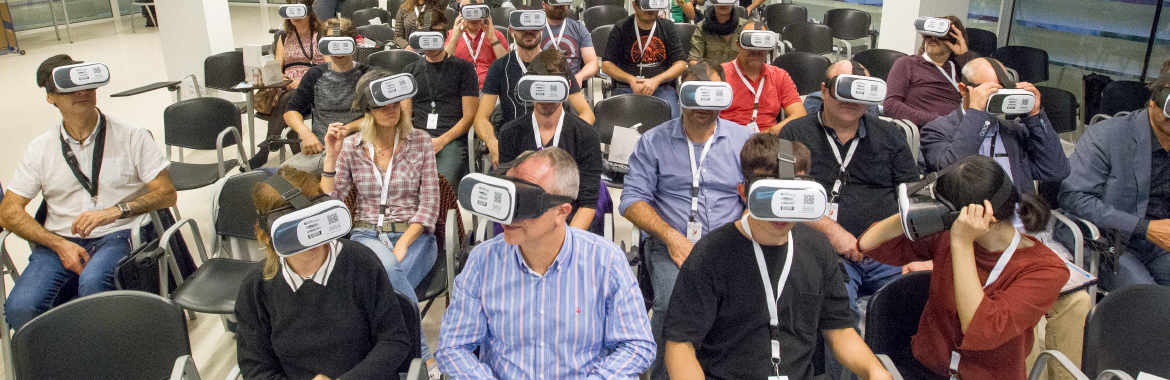
Goodie Cardboard 360, which works on the distribution of VR technology, distributed VR glasses among the attendees.

Light and Dark Sides of the Documentary Industry in Catalonia

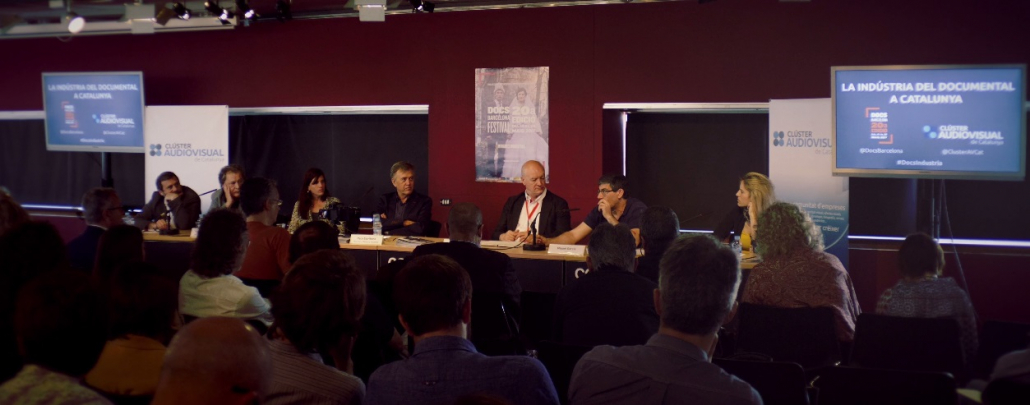
What brought a producer (Tono Folguera – Lastor Media), a creator (Neus Ballús – El Kinògraf), a distributor- festival (Juan González – DocsBarcelona), a thinker (Jordi Balló – UPF), a Danish critic (Tue Steen Müller – founder EDN), a television programmer (Miquel Garcia – TV3) and a representative of the administration (Blanca Piulats – ICEC), together at a single table?

Docs 2017

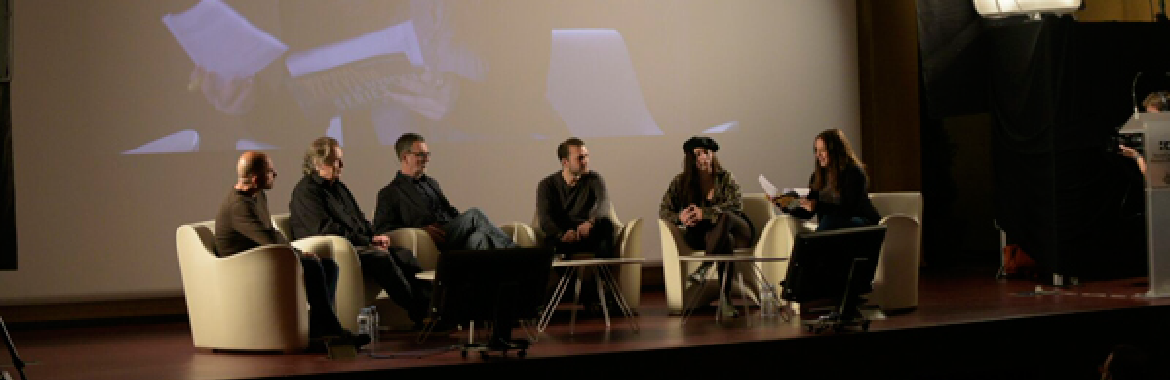
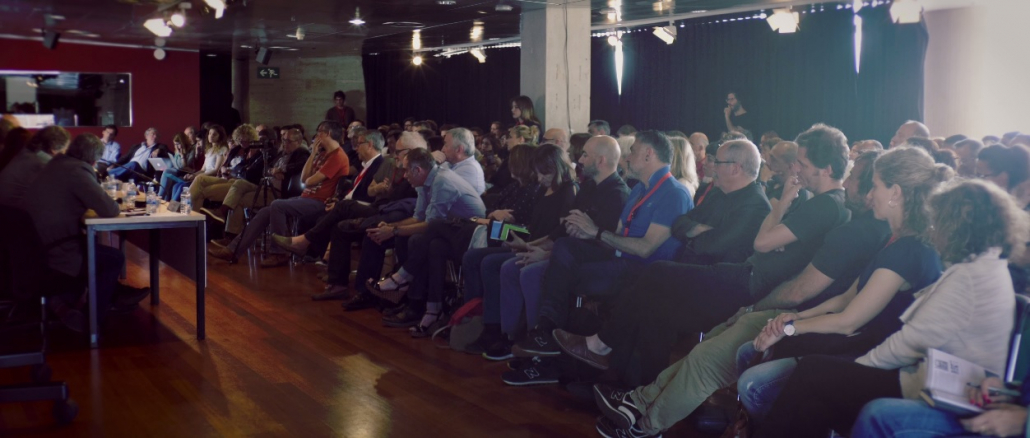
Why did they meet at a round table moderated by Paco Escribano (Absolute Minority) attended by more than a hundred people, including a prestigious selection of members of the audio-visual sector? Invited by the Catalan Audio-visual Cluster, as part of the DocsBarcelona Festival of 2017, in a session titled  “The documentary industry in Catalonia”, they spoke about the evolution of the sector since it began to be developed in Catalonia and the challenges that the industry faces – and will face – both in the present and the future.

Docs 2017 III


The Cluster is Awarded the Bronze Label of the European Cluster Excellence Initiative Certification

El The European Secretariat for Cluster Analysis has awarded the Catalan Audio-visual Cluster with the  Bronze Label of the European Cluster Excellence Initiative

The certification, awarded after research undertaken by the European institution, evaluates the Cluster according to the European models and confirms that it complies with European quality standards.

The Bronze Label gives the Cluster access to a network of international contacts. The award represents a great step for the Cluster project, as its principle aim is to form connections between companies and institutions from the audio-visual sector both nationally and internationally.

Collaboration Agreement with Mobile World Capital

The Catalan Audio-visual Cluster signed a collaboration agreement with Mobile World Capital, a foundation working on the digitalization and development of mobile technology in Catalonia. This agreement seeks to create synergies and new business opportunities between the Audio-visual sector and the digital world, as well as to work together to turn Barcelona into an international digital and creative hub.

The agreement was signed by Jordi Mendieta, chairman of the Cluster, and Aleix Valls, CEO of  Mobile World Capital.

Final Cut vs Premiere. Trends in Post-Production

The changes applied to both main video editors (Final Cut and Adobe Premiere), plus the latest developments in storage systems are, on the whole, a reflection of the trends affecting the field of post-production globally: new forms of collaboration, the pace of work, team organisation and new technical requirements.

Therefore, the Cluster organised for the first time at the headquarters of SGAE a technical session on post-production: “Final Cut vs Premiere. New Workflows with a Collaborative System of Data Storage”, together with partner company Microgestió, specialising in implementation of new technology and training.

Saudi Arabia’s GCAM visits the Cluster

A delegation from the Saudi Arabia General Comission for Audiovisual Media (GCAM)visited the Audio-Visual Cluster and met with a dozen member companies. The delegation, led by Muammar Al-Fahad, Director of Investment Development, outlined plans to build an international Media Hub in Riad, with the aim of promoting the audio-visual sector in the country with the help of foreign companies.

The Media Hub strategic areas are set to be video games, training, infrastructures for production and distribution, pay-TV, and animation and design.

Catalan companies in the audio-visual sector were invited to take part in the project and to suggest ideas for its development. This is the second time the GCAM visits the Cluster and both institutions have agreed to maintain permanent collaborative contacts.

The US Audio-Visual Model. Catalan Experiences in the United States

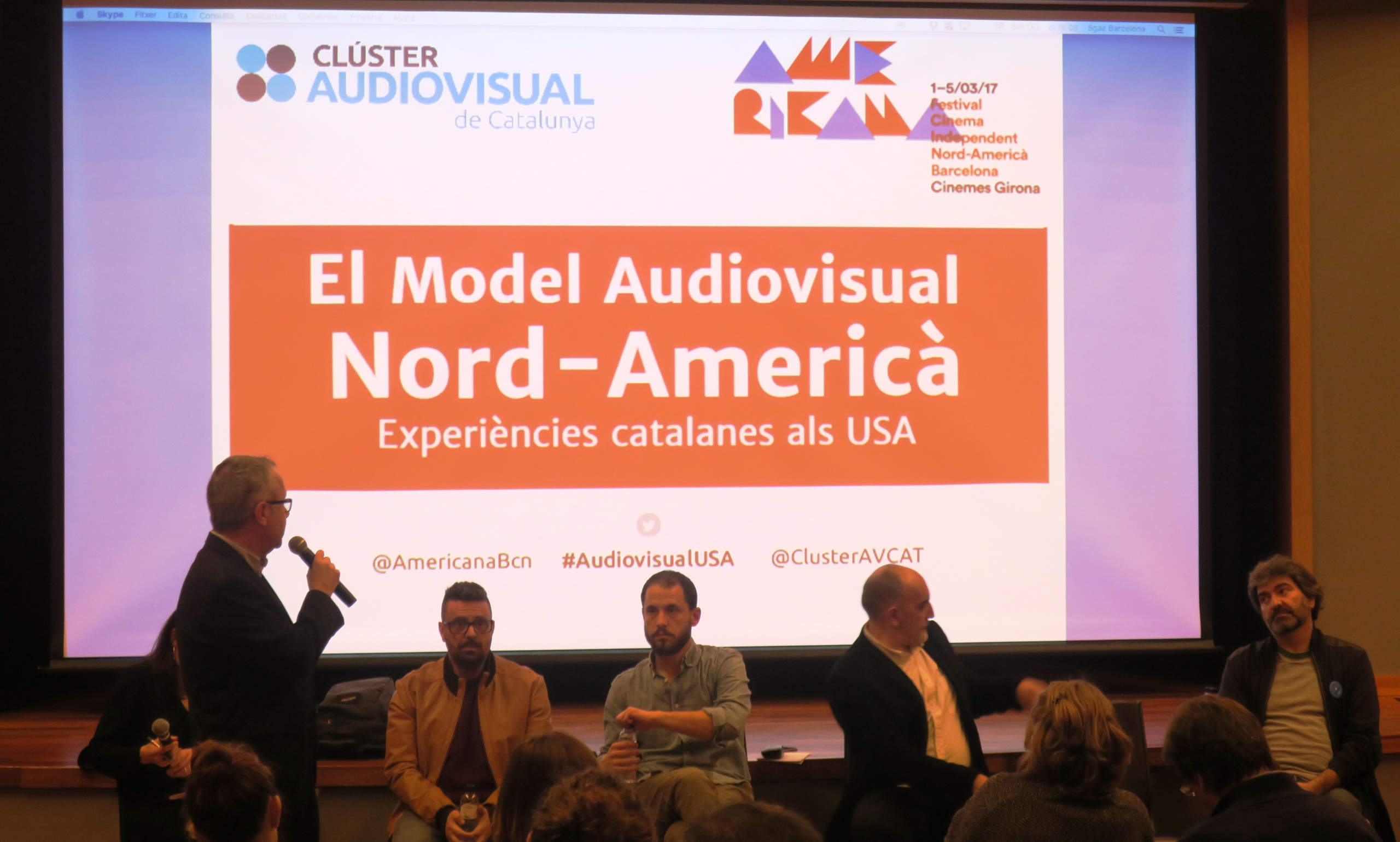
Last February, the Cluster organised together with the PAC a session on the French audio-visual model, which set off a series of activities aimed at analysing the audio-visual industry in other countries. This time it was the turn of the United States. The session “The US Audio-Visual Model. Catalan Experiences in the United States”, in coordination with the Americana Film Festival and held at the headquarters of SGAE-Catalonia, saw the participation of a group of Catalan audio-visual companies from various fields with the shared experience of having carried out projects on the other side of the Atlantic.

IMG_0479

The session, moderated by Noemí Cuní (Grup Broadcaster), was based on the experiences and perceptions of the audio-visual sector in the United States by film producers Sergi Moreno (Lastor Media) and David Matamoros (Zentropa Spain), TV producer Albert Grau (Reset TV), 3D modeller and animator Fèlix Balbas (Minimo VFX),and US producer Kyle Martin.

Kyle Martin

The French Audio-Visual Model with Xavier Lardoux

At a time when audio-visual policies in Catalonia are being redefined with regards to their strategy, it seems appropriate to learn about the models in neighbouring countries which have become an example internationally. For this reason, Productors Audiovisuals de Catalunya (PAC) organised, with the collaboration of the Cluster, the session “The French Audio-Visual Model”, with the participation of Xavier Lardoux, director of the Centre National du Cinéma et de l’Image Animée (CNC), in dialogue with Albert Serra, filmmaker and current president of PAC, held in the auditorium of La Pedrera.

X Lardoux

Online Distribution. New Strategies, New Content, New Users

It can be said that the last decade was marked by the emergence of online audio-visual distribution platforms. In a short period of time, we saw a growing number of more diverse companies embracing this business model. It was and, in a way, still is booming sector. Currently, it includes enterprises which range from pioneering local platforms specialising in online independent cinema to multinationals with mass consumer products.

És per això, per entendre el moment actual d’aquest sector i analitzar les tendències que l’afecten, que el Clúster ha organitzat, en el marc del Saló del Cinema i de les Sèries, la sessió “La Distribució Online. Noves estratègies, nous continguts, nous usuaris”, aplegant una representació significativa i diversa d’aquells projectes dedicats a la distribució online: Movistar+, Filmin, Flooxer, Tviso i Wuaki. Una sessió moderada per Alex Bas, responsable de continguts i nous formats de Diagonal TV.

That’s why, to be able to understand the current situation in this sector and analyse trends affecting it, the Cluster has organised the session “Online Distribution. New Strategies, New Content, New Users” at the Saló del Cinema i de les Sèries (Film and Series Fair). This session, moderated by the Head of Content and New Formats at Diagonal TV, Alex Bas, brought together representatives of online distributors involved in diverse and significant projects, such as Movistar+, Filmin, Flooxer, Tviso and Wuaki.

Jordi Mendieta, New Chairman of the Cluster

Jordi Mendieta has been appointed Chairman of the Catalan Audio-Visual Cluster, replacing Xavier Guitart who held the position since July 2013, when Cluster activities began.

Jordi Mendieta is managing partner of the film and television production company Dream Team Concept, creada l’any 2006. founded in 2006. Previously, he worked in the advertising industry, in the field of production and account management. He is a founding member of the Catalan Audio-Visual Cluster and he was the treasurer during 2016. Noemí Cuní, CEO of Grup Broadcaster, will become the new treasurer of the Cluster, replacing the new chairman.

The appointments were approved by the board of directors unanimously and have been ratified by the members meeting.

Excellent response to the 2016 Audio-Visual Pitching

The second edition of the University-Industry Audio-Visual Pitching, held on the 1st and 2nd December, had an excellent response from both universities and companies in the audio-visual industry.

Seventy companies and institutions in the whole of the industry participated.

Fotonewsletter06

A total of 34 students from 15 universities presented 17 film projects of fiction, non-fiction, new formats and TV formats.

Fotonewsletter

There were 640 people in attendance and more than 100 meetings between emerging talent and the audio-visual industry were held.


Youth and TV, the Central Theme of World Television Day

The relationship between young people and television was the central theme in the celebration of World Television Day, held in Mataró. This was the third edition of a conference that promotes  debate on the present and future of television, organized jointly by Tecnocampus, Graustic, and the Catalan Audiovisual Cluster.

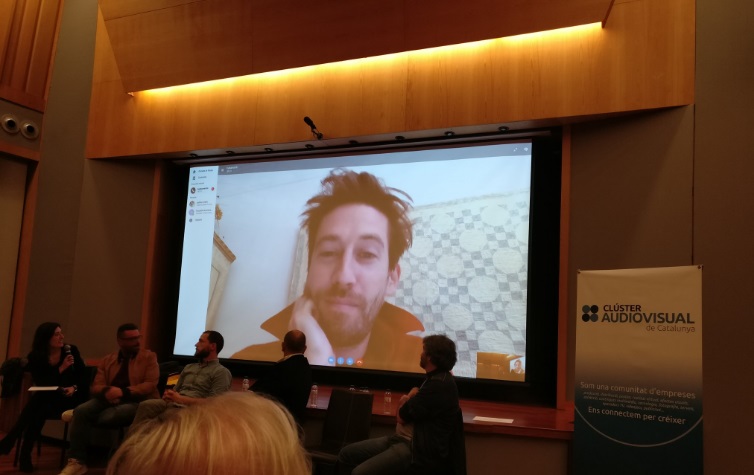
The first discussion session, coordinated by the Audiovisual Cluster in the framework of its Digital & Media Forum (#digitalmediaCAT), was a panal made up of Sonia Duque, consultant for Atrevia, the company that authored a study on the Z Generation; Cristina Muñoz,Cristina Muñoz, until recently the head of Antenna and TV Programming of TV3; Rosalba Roig, head of strategy and innovation at BTV; and Elena Neira, expert in digital communication and author of the book, The Other Screen.

Participants agreed that the youth audiences, contrary to popular belief, are still interested in television, but prefer on-demand consumption over scheduled programming, often through other devices, rather than the television.

2016-11-18-Dia Mundial TV 02

“New mobile devices allow the youth audience to replay content, beyond broadcast television, just as the Internet channels the creative capacities of a generation that grew up with digital technologies,” was among the conclusions shared by the panel.

Participants also agreed that television still faces the challenge of finding the profitability of  new channels. And, as well, that the first challenge is to be able to accurately measure the aggregate audience of all channels through which television content is distributed.

“A virtual reality experience is worth more than a thousand images.”

“A virtual reality experience is worth more than a thousand images,” claims Carlos Fernández, of Iberdrola. But what is the future of VR? How can it be useful for brands? What are its limits? And its reach?

To answer these questions, the Catalan Audiovisual Cluster, together with Foment del Treball, organized a session framed within the program Digital & Media Forum (#digitalmediaCAT), called “Zoom Brands VR. Virtual Reality success stories in branding.” This was the third in a series of activities that annually brings producers, agencies and brands together to explore new forms of collaboration. It was moderated by Quino Fernandez, an expert in advertising and interactive media.

Públic

Eva Dominguez, an expert in immersive narratives and CEO of Minushu, opened the session, introducing and defining the types of virtual or augmented reality experiences that make up a very diverse umbrella: from video 360, experiencied through VR glasses, to virtual images that interact with reality (eg, Pokémon Go). “However, the trend is that these different areas are becoming more and more hybridized. In fact, this is already becoming a reality.”

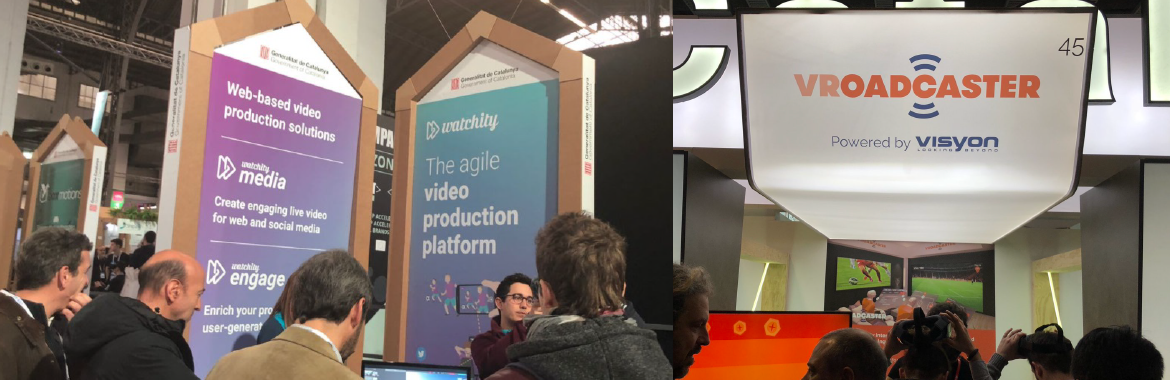
Some companies have long applied VR to brand communication. Visyon 360 is one of them. Their client service director, Xavi Conesa, presented a series of cases in which they worked with 360 video, 4D installations, etc. He emphasized projects that reported a clear profit for the brands, attributed to VR technology.

Ponents01

One brand that Visyon 360 often works with is Iberdrola, a company that strongly favors using VR in its campaigns. Its digital & social media director, Carlos Fernández (author of this article’s headline) stated that “these days it is very difficult to make an impact on people, but it is possible using VR.” In addition, added Fernandez, the use of virtual reality  makes the brand seem more innovative, or “cutting edge”, in the eyes of the customers. But what continuity will it have? How long will people be so impacted by VR? “Now I want to take it  further: to move from a shocking experience to a useful experience,” concluded  Fernández.

Bernat Aragonès, of Antaviana Films, a company that has also been producing VR for some time, presented its latest 360 video project with Massimo Dutti. They presented a model that managed to attract many users and generate a high level of interest. He  stated that “one of the added values ​​of  VR, in terms of marketing, has to do with the enormous possibilities it offers for analyzing the behavior of users. This allows you to observe where the costumers look more, which images  attract their attention the most…”

Ponents02

he possibilities of VR in relation to big data were commented on by Nico Roig i Mario Tarradas of Metropolitana. The speakers referred to their latest work in augmented reality and branded content based on the insertion of images and virtual games into branded objects (VR packaging, signage). “In augmented reality advertising becomes much less aggressive and, in addition, it allows the brand to have a more precise knowledge of its customers.” Finally, they concluded that “now we have to improve the devices. We are hoping that, instead of  phones, which are too bulky,  new glasses will be available, which would expand the possibilities of the use of augmented reality.”

Finally, Josep Maria Quintana, director of Createl, presented an innovative proposal that combines conventional TV formats with immersive reality. This project is endorsed by the Catalan Tourism Agency and the Catalan Heritage Agency with the aim of reactivating internal tourism in Catalonia. How does it work? On the one hand, TV programs broadcast on TV3 expose “mystery” programs about unknown places in Catalonia. On the other hand, it offers spectators the chance visit those places and experience the programs immersively. “A hub was created, bringing together these companies from very different fields that worked together on the project, in order to continue exploring the field of hybrid formats.”

“The Audiovisual Sector is not a Risk”

“The audiovisual sector is not a risk. We have seen this for some time” . This was one of the key points of the Financing and Business Management session held at the headquarters of Foment del Treball. Organised by the Catalan Audiovisual Cluster, the session was part of a new line of exclusive activities designed to inform its members about the latest developments in the legal and financing fields affecting corporate governance.

The point was made by the representative of Triodos Bank, one of the few banks with specific funding opportunities for the audiovisual sector, especially in the field of production, distribution and exhibition. This bank currently serves about three hundred audiovisual projects in Catalonia alone. “The traditional idea that the audiovisual sector is unstable is still too widespread. Triodos Bank takes the opposite position. Of course, it is important to have a true understanding of the sector. We have seen projects that failed – not because they weren’t good projects, or viable ones, but because they were badly financed.”

Aside from traditional banks, recent years have marked the appearence of alternative financing tools. Such is the case of Novicap, a recent but well-established fintech company specializing in funding the working capital of companies and which functions exclusively online. “Unfortunately, Spain is one of the European countries with the longest payment periods. So we created this tool. Basically, what we do is anticipate the payment of bills in a very agile way, simply by uploading them on the Internet. Therefore, the ultimate goal is to provide a very rapid response system to the cashflow tensions arising from payments that are delayed sixty, ninety or even one hundred and twenty days. It’s something not often offered by traditional banks, which are mostly too rigid.”

The session was intitiated by Riba-Vidal, a law firm associated with the Cluster and specialized in legal assistance to entrepreneurs and managers. Its lawyers have closely followed the lastest reform of the penal code, considered an “absolute tsunami” in regard to its effect on businesses. “The new law requires companies to implement a policy of crime prevention. From now on, criminal responsibility no longer lies with the individual committing the crime, but with the company as a whole. This can be a big problem for managers and executives, especially since crimes can be committed unconsciously, out of ignorance.” Riba-Vidal detailed the principle measures that companies should implement to adapt to the new legal reform.